

Most Kansas City homeowners don’t think about insulation until the temperatures drop. But waiting until winter means overpaying on cooling bills all summer. With our local summer temperatures regularly topping 90°F, your attic can quietly become the biggest energy drain in your home. And your utility bill will reflect it.
Undergoing an attic insulation upgrade in summer is one of the smartest investments you can make for your home. Proper insulation helps prevent summer heat from entering your living space, supports HVAC efficiency, and strengthens your home’s thermal envelope year-round. The same insulation that blocks summer heat also retains warmth in winter, delivering energy savings every season.
Not sure if your attic is performing? A professional energy audit can reveal where your home is losing energy and where upgrades will have the biggest impact.
How Summer Heat Enters Your Home Through the Attic
Understanding Heat Transfer
As the sun heats your roof, temperatures in an uninsulated or under-insulated attic can exceed 150°F on a summer day. Heat naturally moves toward cooler areas. In summer, that means attic heat radiates downward into your air-conditioned living space below. Insulation slows heat transfer by acting as a barrier, keeping hot air above and conditioned air below.
The Impact on Your HVAC System and Energy Bills
When attic heat infiltrates your living space, your air conditioner works harder and runs longer to compensate. This reduces its lifespan and drives up your energy costs. Properly adding insulation and sealing air leaks can deliver real cooling costs reduction and improve your home’s comfort. Plus, with our hot, humid summers, it’s especially important to ensure you have adequate attic insulation and air sealing, as well as attic ventilation to help maintain HVAC efficiency and manage moisture.
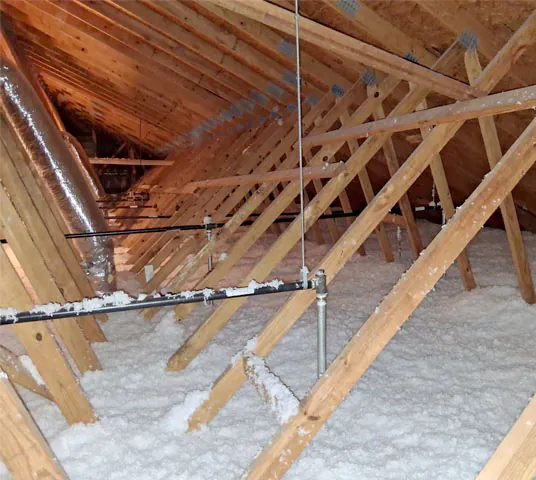
Why Summer Is the Right Time to Upgrade Attic Insulation
Immediate Comfort and Savings
Upgrading before or during the summer means you can benefit from lower cooling costs immediately. The U.S. Department of Energy (DOE) reports that properly insulating and air sealing your home can save you up to 15% on heating and cooling costs.
Year-Round Protection
The great news is that insulation works in both directions. The same material that blocks summer heat gain also prevents winter heat loss. Upgrading now means your home is protected well before our first cold snap arrives. Your attic is the best spot to insulate and air seal for the biggest impact on your home’s comfort and energy savings. Any way you look at it, a properly insulated home is more comfortable and more efficient year-round.
What to Look for — Signs Your Attic Insulation Needs an Upgrade
Visual and Performance Indicators
Watch for these common warning signs:
- Uneven temperatures between rooms or floors
- Higher summer energy bills than comparable nearby homes
- Visible insulation that is thin, compressed, damaged, or water stained
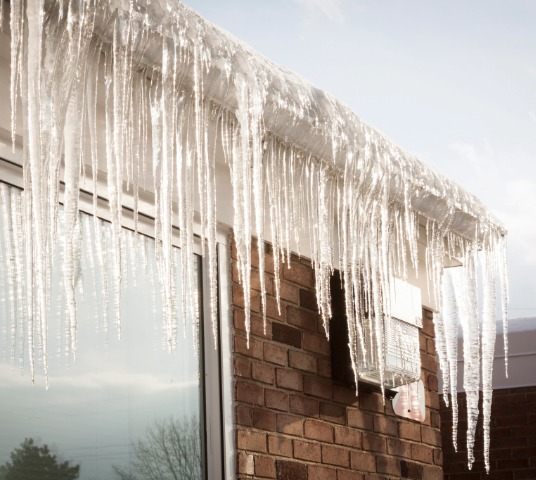
- Ice dams in winter can be a sign of poor attic insulation and air sealing from the prior season
R-Value Requirements for Kansas City
Kansas City is in Climate Zone 4A, a mixed-humid zone. The DOE recommends an R-value attic insulation of R-49 to R-60 for this region. Kansas City’s energy code requires a minimum of R-60 for new construction and upgrades. If your current insulation falls short, an upgrade can significantly improve comfort and reduce costs. A professional home energy audit can measure your current insulation levels and identify exactly where improvements are needed most.
Insulation Types and Air Sealing for Kansas City Attics
Common Attic Insulation Options
There are a variety of effective attic insulation choices for your Kansas City area home.
Fiberglass batts are affordable and widely available but require precise installation to perform well.
Blown-in cellulose or fiberglass fills gaps and irregular spaces more completely, making it a strong choice for topping off existing insulation.
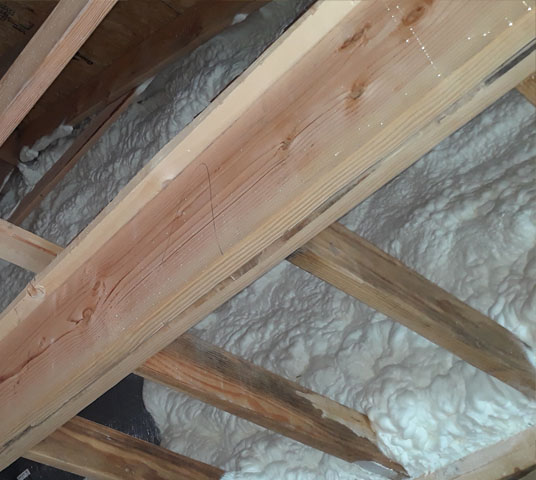
For maximum performance, spray foam insulation attic applications deliver both insulation and air sealing in one step. Closed-cell spray foam provides a high R-value per inch and acts as a moisture barrier. An insulation professional will help you determine the right fit for your attic.
The Importance of Air Sealing
Insulation alone isn’t enough. Gaps around recessed lights, plumbing, wiring, and ductwork allow conditioned air to escape and hot air to enter. This can undermine even the best insulation. Air sealing and insulation work together as a system. Properly air sealing your attic before new insulation goes in closes those gaps and maximizes your investment.
Frequently Asked Questions
Q: Is it worth upgrading your attic insulation in summer?
A: Yes. In Kansas City’s Climate Zone 4A, an under-insulated attic is a top driver of high summer energy bills. Upgrading now delivers immediate cooling savings and year-round comfort.
Q: What R-value do I need for attic insulation in Kansas City?
A: The DOE recommends R-49 to R-60 for Climate Zone 4. Kansas City’s energy code, based on the 2021 International Energy Conservation Code (IECC), requires a minimum of R-60 for new construction and additions.
Q: Does attic insulation help in summer or just winter?
A: Both. In summer, insulation blocks radiant heat from your roof from entering your living space. In winter, it keeps warm air inside. Proper insulation works year-round.
Q: Should I air seal my attic before adding insulation?
A: Yes. Sealing all attic penetrations and bypasses before installing insulation stops conditioned air from escaping and ensures your insulation performs at its best.
Start Your Summer Off Right with Hayes Company
Summer is the ideal time to evaluate and upgrade your attic insulation, especially before Kansas City’s heat drives up your energy bills and strains your cooling system. A properly insulated and air-sealed attic will reduce your cooling costs, extend the life of your HVAC system, and protect your home’s thermal envelope year-round.
Hayes Company has been serving Kansas City homeowners since 1978. As a family-owned business built on honesty and integrity, our team of experienced insulation professionals brings decades of insulation expertise to every project. From blown-in insulation to spray foam and air sealing, we offer a full range of solutions. We also offer professional energy audits and free estimates to help you make the right call.
Contact us today to schedule your free attic insulation inspection. Let’s make your Kansas City home more comfortable and efficient, starting this summer.
References
ENERGY STAR. (n.d.). Seal and insulate. U.S. Environmental Protection Agency.
https://www.energystar.gov/saveathome/seal_insulate
Insulation Institute. (n.d.). Kansas City and St. Louis Missouri: Summary of key residential energy code requirements. North American Insulation Manufacturers Association. https://insulationinstitute.org/wp-content/uploads/2025/05/N158-MO-Energy-Code-0425.pdf
Kansas City. (n.d.). Building and rehabilitation code. Kansas City, MO. https://www.kcmo.gov/city-hall/departments/city-planning-development/building-and-rehabilitation-code
U.S. Department of Energy. (n.d.). Air sealing your home. Energy Saver.
https://www.energy.gov/energysaver/air-sealing-your-home
U.S. Department of Energy. (n.d.). Insulation. Energy Saver.
https://www.energy.gov/energysaver/insulation
U.S. Department of Energy. (n.d.). Types of insulation. Energy Saver.
https://www.energy.gov/energysaver/types-insulation
U.S. Department of Energy. (n.d.). Where to insulate in a home. Energy Saver.
https://www.energy.gov/energysaver/where-insulate-home
University of Missouri Extension. (7 Dec. 2017.). Ice dams on the roof can damage your home. https://extension.missouri.edu/news/ice-dams-on-the-roof-can-damage-your-home
University of Missouri Extension. (n.d.). Insulating and weatherizing your home. Publication GH4881.
https://extension.missouri.edu/publications/gh4881